
What we do
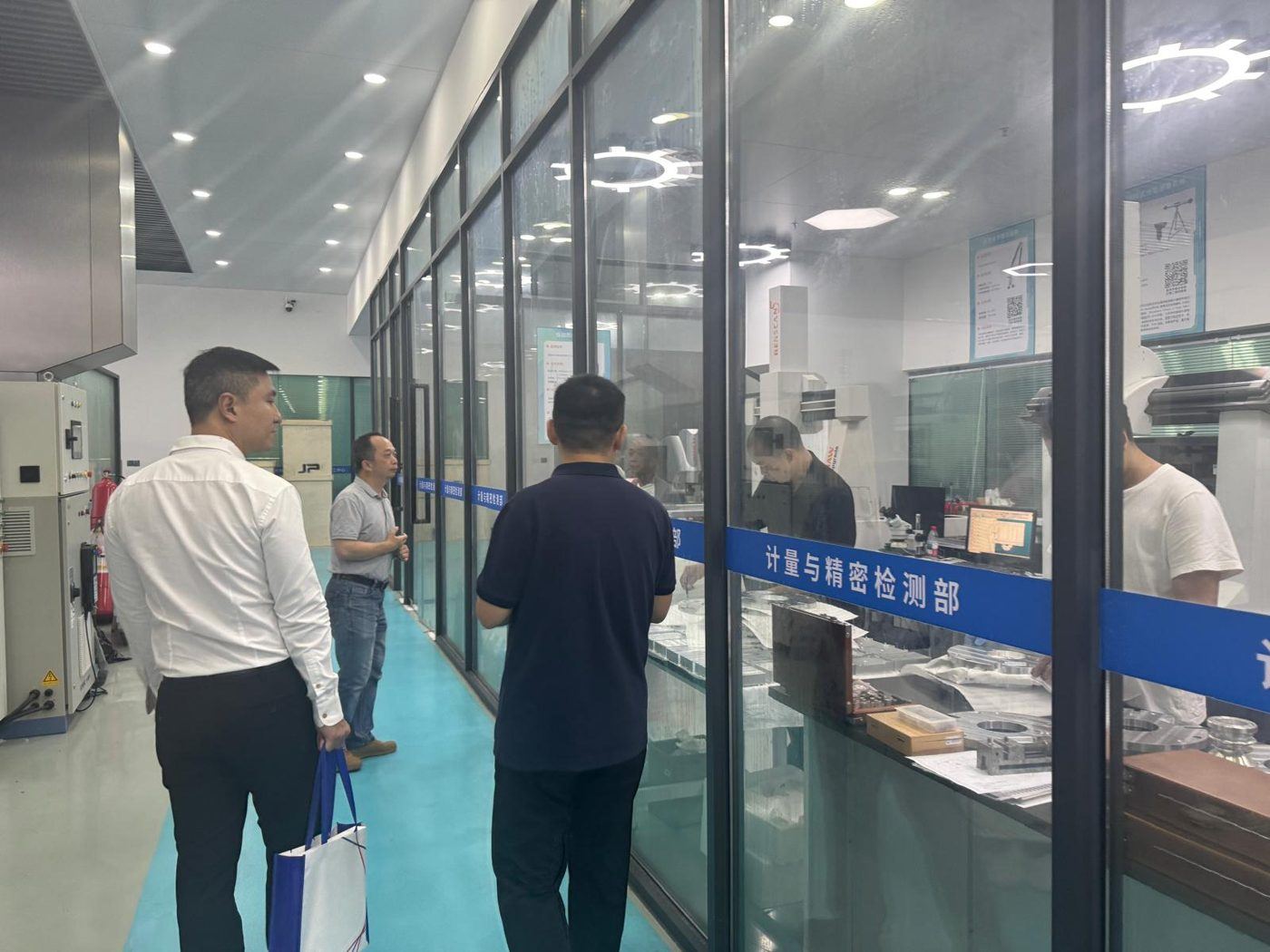
We start from shop-floor problems and connect data, models and production systems — and we turn the new demands on people into capabilities that can be built and verified.
Industrial AI and enterprise transformation
Whether an industrial AI project keeps delivering value depends less on the algorithm and equipment than on whether people on site can use it, manage it and keep improving it.
MOZI starts from the enterprise's value targets and site constraints, chooses a verifiable technical route, and defines data ownership, acceptance criteria and role responsibilities within the project. We deliver not only a system but the processes and capabilities needed to keep it running.
Eight industrial scenarios
Each scenario combines a technical problem and a capability problem. Every scenario has a documented case — see Cases.
- 01 · Composite materials
In-line quality monitoring
Defect dictionary and sample standards, edge deployment, quality traceability and shift-team workflow
- 02 · Engine assembly
Assembly quality inspection
Inspection standards, model acceptance criteria, MES interface and exception ownership
- 03 · Renewable energy
Predictive maintenance
Data readiness, alarm grading, maintenance strategy and technician training
- 04 · Industrial R&D
AI-assisted R&D testing
R&D data governance, model-experiment standards and in-house modelling capability
- 05 · Tunnels and bridges
Infrastructure inspection
Digitised inspection standards, expert labelling and model review
- 06 · Process industry
In-plant logistics scheduling
Process modelling, dispatch rules, system integration and change management
- 07 · Warehousing
Warehouse recognition
Process diagnosis, solution selection, WMS interface and onboarding
- 08 · Testing & certification
Expert know-how as a product
Capture expert judgement and embed it in tools, courses and capability evidence — the clearest case of capability translation
From a single project to repeatable industrial capability
- STEP 01
Diagnose
Clarify value targets, site constraints, data conditions and accountability.
- STEP 02
Validate
Choose a verifiable technical route and set acceptance criteria.
- STEP 03
Translate
Write the new process into job tasks, training content and assessment criteria.
- STEP 04
Scale
Build standard interfaces, partner roles and cross-region implementation kits.
Capability translation and talent development
Enterprises know the business results they need but often cannot say which capabilities those results require. Institutions can offer courses but cannot always show that learners have built the capabilities industry needs.
Capability translation is MOZI's method for closing that gap: a traceable chain that turns strategic intent into capabilities that can be trained, assessed and verified — and feeds hiring outcomes back into the standards.
- 01
Strategic intent
The business goals and technology roadmap
- 02
Real scenarios
The shop-floor problems and constraints behind those goals
- 03
Key tasks
Tasks people must perform that change with technology
- 04
Capability units
The smallest observable, trainable, assessable capability
- 05
Learning design
Courses, projects and on-the-job training built on the units
- 06
Performance evidence
Work products, process records and on-site performance
- 07
Assessment
Joint assessment by industry mentors and faculty
- 08
Capability Passport
A continuing record of verified capability evidence
- 09
Deployment and feedback
Hiring outcomes feed back into scenarios and standards
How it differs from common approaches
Capability translation does not replace curriculum design or competency models. It links industry scenarios, training design and capability evidence in one chain.
| Curriculum development | Competency models | MOZI capability translation | |
|---|---|---|---|
| Starting point | Disciplinary knowledge | Existing roles and organisational needs | Strategic intent and real business scenarios |
| Core output | Syllabus and textbooks | Competencies and behavioural indicators | Capability units, training tasks and assessment criteria |
| Evidence | Exam scores | Performance appraisal | Work products, process records and Capability Passport |
| Update cycle | Teaching cycle | Organisational change | Driven by changes in scenarios, technology and hiring feedback |
Capability Passport
Degrees, certificates and CVs show what someone studied and did, but not how well they perform real tasks. The Capability Passport records evidence of capability built in real projects and is updated with each new task. It is currently in pilot and does not replace degrees or formal qualifications.
- For learners
A record employers can read, not just a transcript.
- For employers
Verified task performance at the point of hiring.
- For institutions
Evidence of learning outcomes to guide programme decisions.
Global collaboration
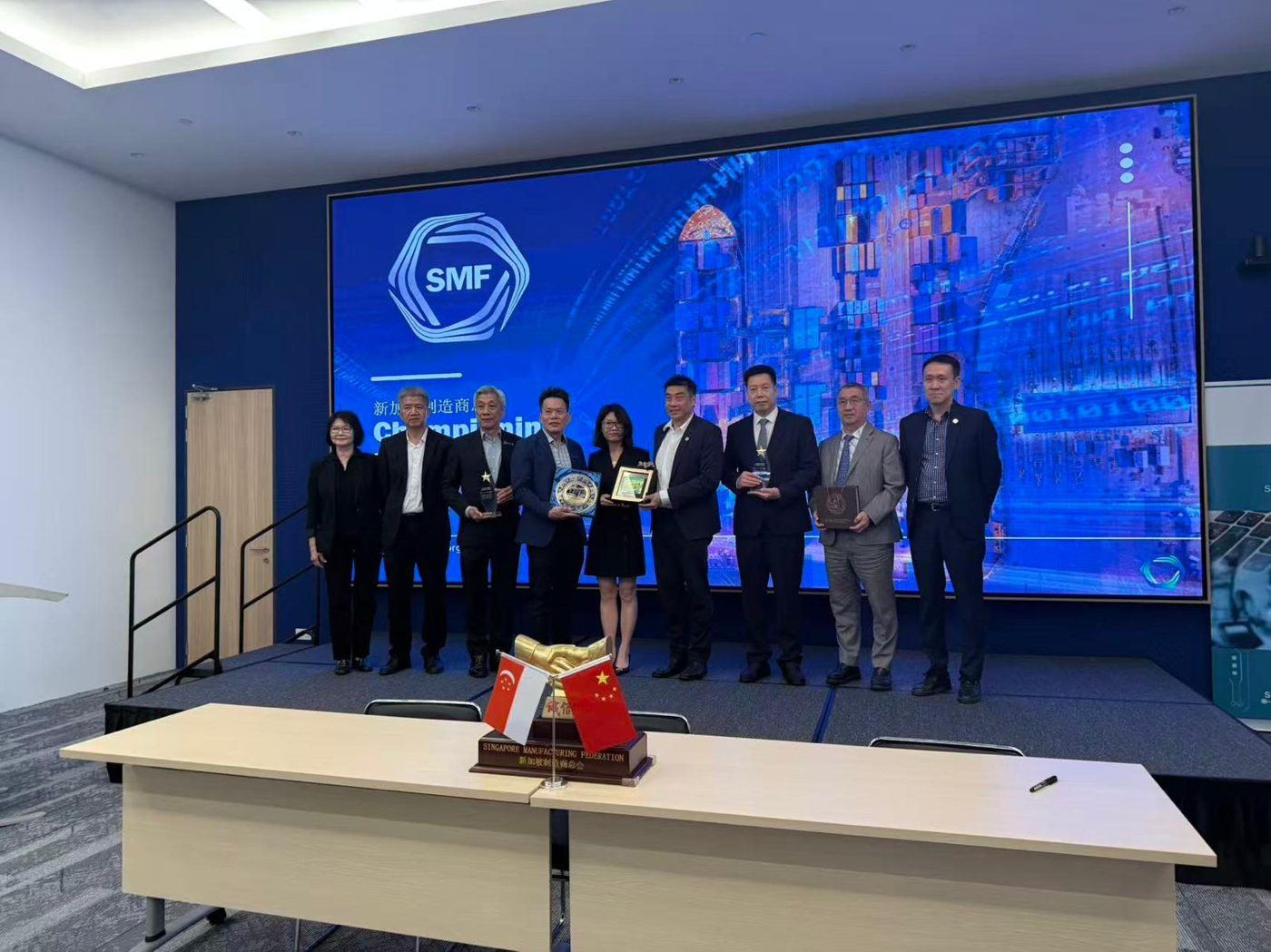
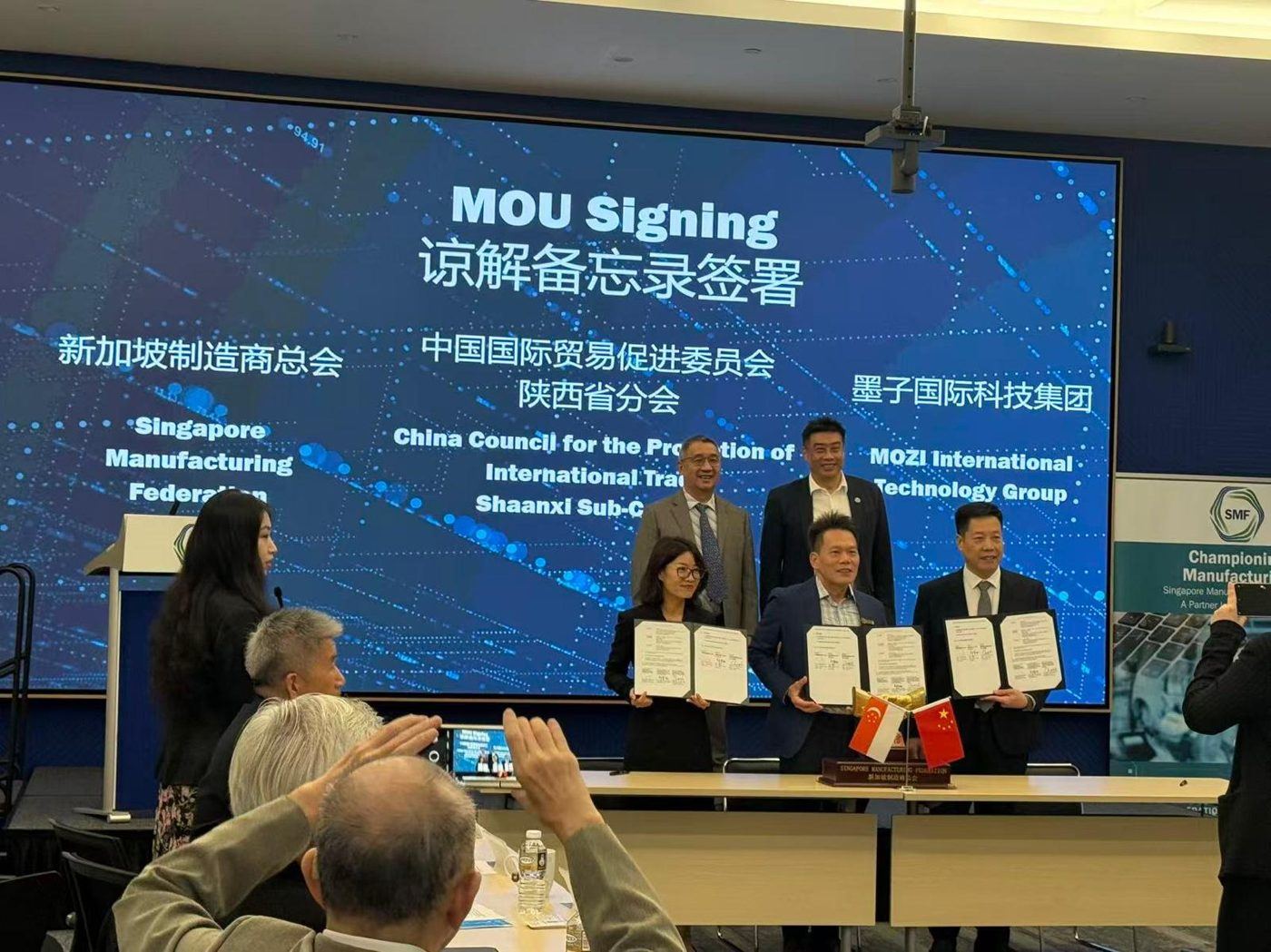
MOZI is headquartered in Singapore, a member of the Singapore Manufacturing Federation and a council member of the Belt and Road Vocational Education Alliance. From Singapore we connect institutions and industry bodies across China and ASEAN.
- Joint research
- Define research topics, industry scenarios and outputs with institutions
- Courses
- Co-develop industrial AI courses and certificates with Singapore institutions
- Exchange
- Faculty development, student exchange, short courses and joint projects
- Localisation
- Adapt courses, faculty and training resources to each country
Start with one real scenario
Tell us your industry, the capabilities you want to build and your current conditions. We will first agree on where to start.